Smart TEXT: ポッドキャストの英文テキスト

ポッドキャスト「1日5分ビジネス英語」の記事本文(英文&和文)をこちらから購入いただけます。
Smart TEXTのコンテンツ内容はこちらです。
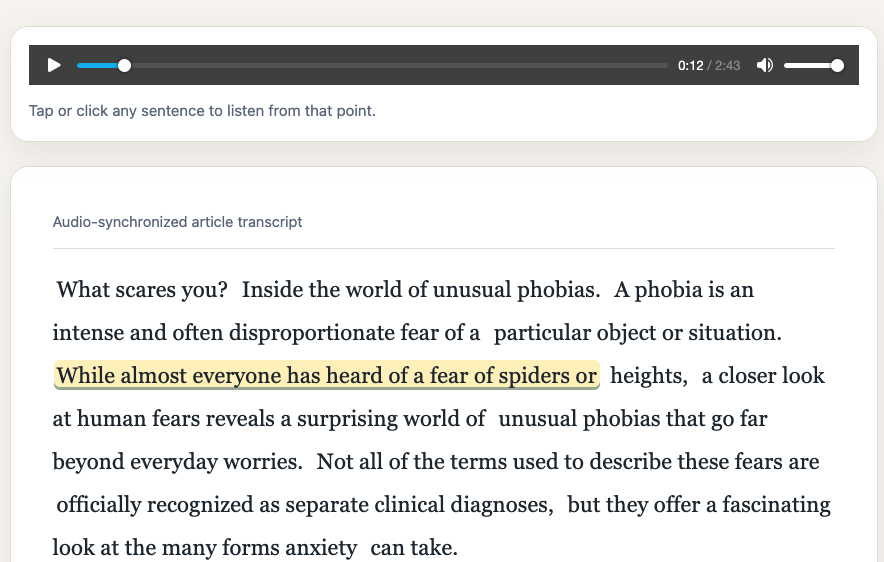
1日5分ビジネス英語の英文記事と音声
英文記事と音声を確認できます。
Pre-Reading / Key Background Terms
記事を読む前にチェックすることで、理解度が格段にアップします。 少しの時間を取って考えてみましょう!
【Thinking Ahead】
When people talk about rebuilding after a war, what kinds of damage do you think are most often overlooked?
戦争後の復興について語るとき、どのような被害が見落とされやすいと思いますか。
How might nature-based solutions help countries recover from large-scale environmental damage?
自然を活用した解決策は、大規模な環境被害から国が回復するうえで、どのように役立つと思いますか。
【Main Idea】
This article explains how war has damaged not only Ukraine’s buildings and infrastructure, but also its agricultural soil. It introduces a NATO-supported research project that is testing whether giant miscanthus, a fast-growing grass, can help clean polluted farmland and support Ukraine’s long-term recovery.
この記事は、戦争がウクライナの建物やインフラだけでなく、農地の土壌にも被害を与えていることを説明しています。そして、成長の速い草であるジャイアント・ミスカンサスが、汚染された農地の浄化とウクライナの長期的な復興に役立つかを調べる、NATO支援の研究プロジェクトを紹介しています。
Before You Read: Key Background Terms
【NATO-supported research project(NATO支援の研究プロジェクト)】 — A research initiative that receives support from NATO, an international security alliance of mainly North American and European countries.
(NATOは主に北米と欧州の国々による安全保障の同盟です。この記事では、軍事面ではなく、戦争で傷ついた土地の回復に関わる研究支援として登場します。)
【Jan Evangelista Purkyne University(ヤン・エヴァンゲリスタ・プルキニェ大学)】 — A university in the Czech Republic that is leading the research project mentioned in the article.
(チェコ共和国にある大学で、この記事ではウクライナの汚染土壌を回復する研究を主導する機関として紹介されています。)
【Giant miscanthus(ジャイアント・ミスカンサス)】 — A tall, fast-growing grass that can be used for biomass energy and may help remove or trap pollutants in damaged soil.
(背が高く成長の速い草で、バイオマスエネルギーの原料としても使われます。この記事では、汚染された土壌を回復する可能性のある植物として扱われています。)
日本語訳
| English | 日本語訳 |
|---|---|
| Imagine a library where the books are made not of paper, but of living cells and DNA. That is the idea behind the United States’ newly announced BioVault. It is an ambitious effort to preserve the genetic blueprints of endangered species before they disappear forever. | 紙でできた本ではなく、生きた細胞やDNAが収められている図書館を想像してみてください。アメリカで新たに発表された「バイオボールト」の発想は、まさにそこにあります。これは、絶滅危惧種が永遠に姿を消してしまう前に、その遺伝情報、いわば生命の設計図を保存しておこうという野心的な取り組みです。 |
| Formally announced on June 25, the project is a partnership between the U.S. Fish and Wildlife Service and Texas-based biotechnology company Colossal Biosciences. Their goal is to collect and freeze living cells, reproductive tissues, and genomic DNA from every species protected under the Endangered Species Act. The initiative is designed to serve as a genetic insurance policy for more than 2,300 threatened and endangered plants and animals. | 6月25日に正式に発表されたこのプロジェクトは、アメリカ魚類野生生物局と、テキサス州を拠点とするバイオテクノロジー企業コロッサル・バイオサイエンシズとの共同事業です。目的は、絶滅危惧種法で保護されているすべての生物種から、生きた細胞、生殖組織、そしてゲノムDNAを採取し、凍結保存することにあります。2,300種を超える絶滅のおそれのある動植物にとって、いわば「遺伝子の保険」となることを目指しています。 |
| These biological samples will be stored at extremely low temperatures, allowing them to remain viable for decades or even centuries. Scientists hope the collection will support conservation efforts by helping maintain genetic diversity, improving captive breeding programs, and potentially aiding species recovery if wild populations continue to decline. | これらの生物サンプルは極めて低い温度で保存され、数十年、場合によっては数百年にわたって利用可能な状態を保つことが期待されています。科学者たちは、このコレクションが遺伝的多様性の維持、飼育下での繁殖プログラムの改善、そして野生個体群がさらに減少した場合の種の回復支援などを通じて、保全活動を後押しすることを期待しています。 |
| Scientists have been preserving DNA and living cells from endangered wildlife for decades, most famously through the San Diego Zoo Wildlife Alliance’s Frozen Zoo. Yet the BioVault is the first coordinated national effort to build a comprehensive genomic archive. | 絶滅の危機にある野生生物のDNAや生きた細胞を保存する取り組みは、科学者たちによって何十年も前から行われてきました。中でもよく知られているのが、サンディエゴ動物園野生生物アライアンスの「フローズン・ズー」です。しかし、バイオボールトは、包括的なゲノムアーカイブを構築しようとする、初の国家レベルで調整された取り組みです。 |
ポッドキャストで扱った英文TEXTを使って、読む力を継続的に鍛えたい方は、こちらから。